Why Food & Beverage Operations Make or Break Conference Pacing
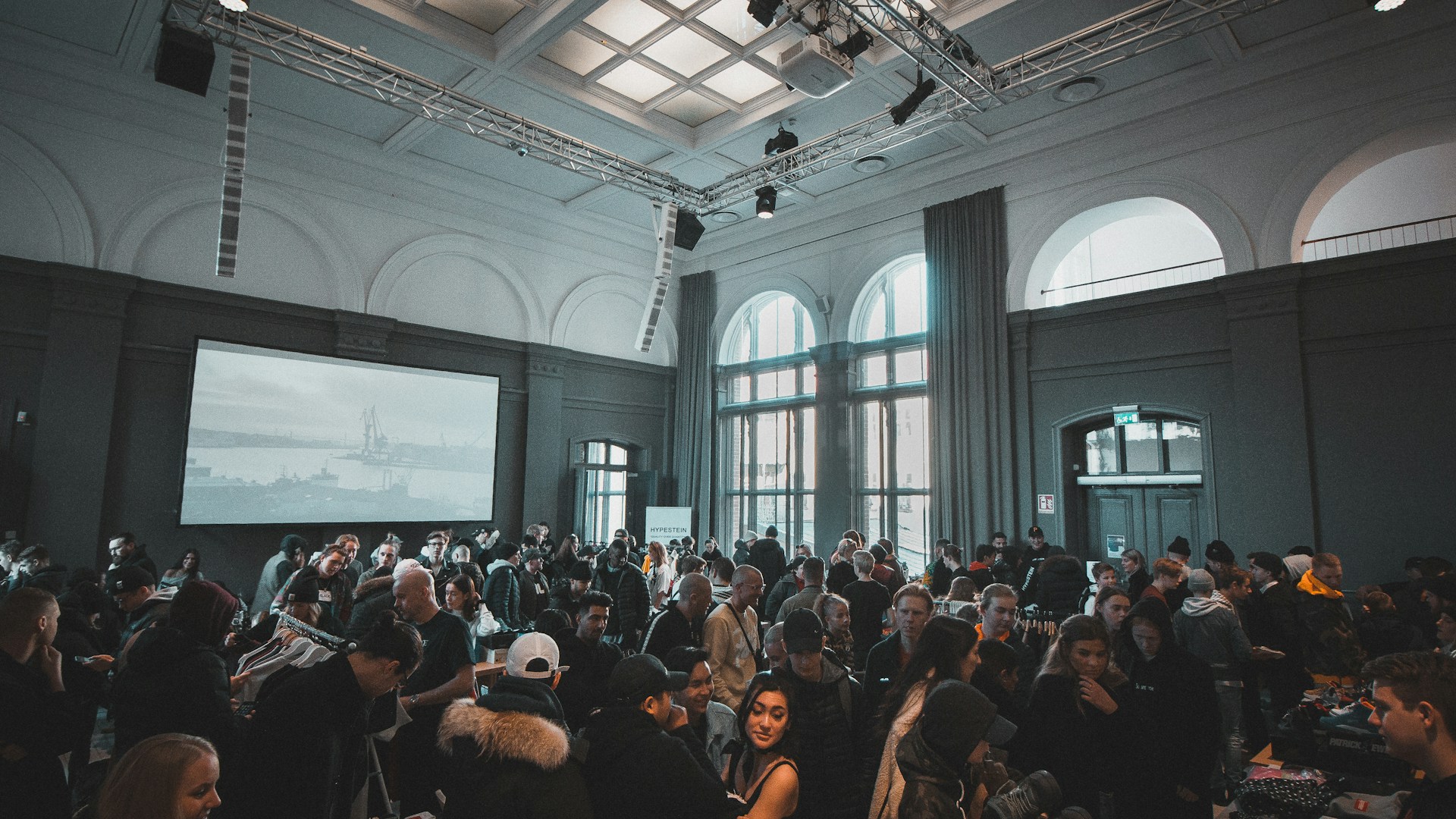
Even the strongest keynote speaker loses the room if delegates spend the entire 25-minute morning coffee break trapped in a stagnant line for an espresso—or return late to the auditorium because luncheon buffet stations ran dry. In executive hospitality, catering is not merely a meal; it is a critical time-management and networking infrastructure.
In Algeria and international corporate forums, flawless Halal hospitality standards combined with rapid high-volume service velocity ensure your master agenda never slips behind schedule.
Collect Real-Time Dietary & VIP Table Preferences at Registration
Eventzone allows organizers to configure mandatory dietary dropdowns and allergy notes during ticket purchase, exporting structured catering counts directly for venue chefs.
Streamline Registration Data1. Eliminating Bottlenecks: The Station-to-Delegate Ratio
Never place one massive buffet table against a wall for 500 guests. A single-sided line moves at roughly 8 to 10 people per minute—meaning a 500-person summit would require 50 minutes just to serve everyone, obliterating your afternoon schedule.
- Coffee & Hydration Breaks: Deploy 1 complete double-sided beverage station per 80 to 100 attendees. Separate espresso/barista stations from pre-brewed filter coffee, mint tea, and bottled water coolers so guests wanting quick hydration never block the espresso line.
- Luncheon Buffets: Arrange islands accessible from both sides (2 service lines per island) at a strict ratio of 1 double-sided island per 100 delegates. Pre-plate cold salads and desserts in individual glass verrines rather than large bowls requiring slow spooning.
- Spatial Placement: Position F&B islands inside the sponsor/exhibitor lounge—never tucked inside narrow foyer bottlenecks—so networking conversations flow naturally around exhibitor booths.
2. Modern Dietary Tracking & Digital Pre-Tagging
Global and local delegations frequently include executives managing diabetes, celiac (gluten-free) requirements, severe nut allergies, or strict plant-based preferences:
- Capture Data Upstream: Never collect allergies on opening morning. Embed clean selection fields directly into your registration form (e.g., Standard Halal, Gluten-Free, Dairy-Free, Vegetarian, Allergies).
- Clear Placard Labeling: Instruct hotel chefs to place clear, high-contrast allergen icons (Gluten, Nuts, Dairy, Seafood) beside every chafing dish and pastry tray.
- Silent Special Plate Fulfillment: Print subtle dietary codes on back-of-badge metadata or provide discreet voucher tokens at check-in so servers deliver custom allergen-safe hot meals smoothly without drawing awkward attention.
"Double-sided buffet islands and pre-brewed hydration separation reduce luncheon turnover time by 50%, keeping afternoon plenary rooms full on schedule."
3. Seated VIP Gala Banqueting vs. Networking Cocktails
When transitioning from daytime technical tracks to an evening Executive Gala or Awards Ceremony, align the service style with the program run-of-show:
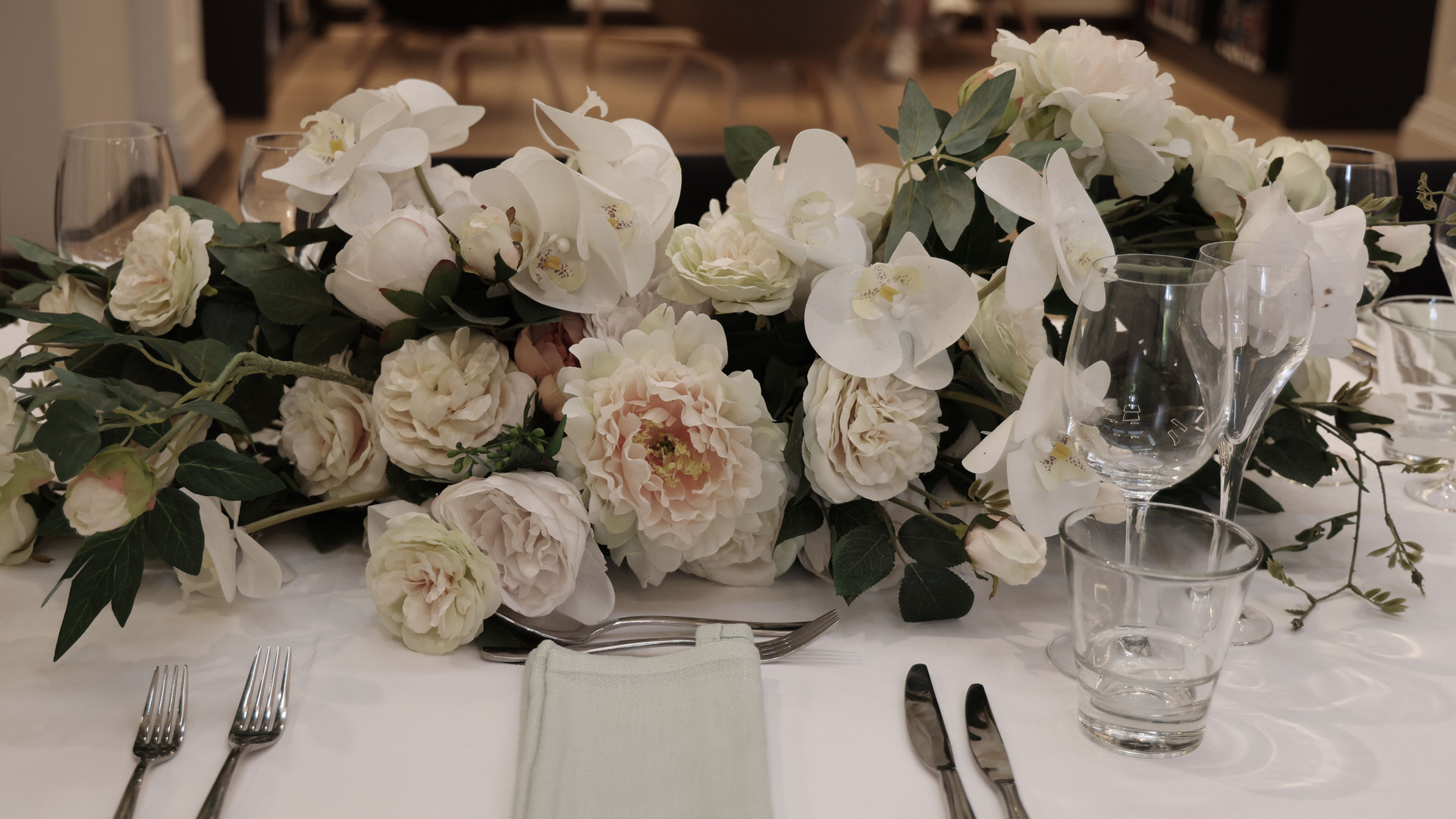
- Plated Three-Course Gala Service: Best suited for formal awards dinners with stage speeches. Specify a minimum ratio of 1 dedicated server per 12 to 16 guests (one server per two 8-seat round tables) so all courses drop simultaneously across the ballroom. Never serve main courses during key award announcements—sync kitchen bells tightly with the stage manager's cue sheet.
- Standing Networking Cocktail / Finger Food: Ideal for post-expo business mixers. Specify bite-sized, napkin-friendly items (verrines, skewers, mini savory pastries) requiring no knives, leaving guests one hand free to hold a glass and exchange business cards.
4. Guarantee Attrition & Zero-Waste Practices
Hotel F&B contracts typically demand a "Final Guaranteed Count" 72 hours prior to the event. Check live confirmed check-in velocity on your Eventzone dashboard rather than blindly over-ordering by 20%:
- Apply realistic historical no-show adjustments (typically 10% for paid conferences, 25%–35% for complimentary summits) before locking final kitchen counts.
- Pre-arrange partnerships with verified local charities or municipal shelters capable of refrigerated, food-safe pickup of untouched surplus sealed trays immediately following evening service.
Conclusion
Memorable event hospitality feels effortless to the attendee because every flow path, dietary note, and kitchen timing cue was engineered weeks beforehand. By pairing digital upstream dietary capture with generous station spacing, your F&B service strengthens both delegate satisfaction and schedule discipline.