
The Registration Desk Dilemma: Speed vs. Cost
Every event planner has experienced the nightmare of opening day registration: a queue of 600 delegates snaking through the hotel lobby, while five frantic hostesses sift through 15 alphabetical plastic boxes searching for a badge marked "Benali, Karim"—only to discover his title was misspelled or his badge was lost in transit.
As corporate exhibitions and technology summits scale in Algeria, organizers are choosing between two competing operational philosophies: **Pre-Printed Badges** and **Live On-Site Thermal Printing**.
Turn Any Tablet or Smartphone into an Instant Check-In Station
Eventzone''s Check-In Desk works seamlessly offline, validates QR passes in 300ms, and integrates with direct thermal badge printers for instantaneous badging.
Test Check-In Desk DemoThe True Costs of Pre-Printed Badges
On paper, printing badges two days prior to an event seems straightforward. In practice, it generates massive hidden costs and friction:
- The 20% "No-Show" Plastic Waste: In the event industry, standard no-show rates hover between 15% and 25%. If you pre-print 2,000 badges, up to 500 plastic holders, cardstocks, and lanyards are thrown directly into the trash at day''s end.
- Alphabetical Searching Latency: Finding a pre-printed badge takes an average of 45 to 90 seconds per attendee. Multiply that by 1,000 arrivals between 08:30 AM and 09:30 AM, and you have an inevitable bottleneck.
- Inability to Handle Walk-Ins or Name Typos: When an executive arrives with a substituted colleague or a misprinted surname, hostesses must use crude handwritten stickers, undermining your brand''s professional image.
The Mechanics of Live On-Demand Thermal Printing
With modern on-site printing systems like Eventzone, the badge does not exist until the attendee arrives at the turnstile:
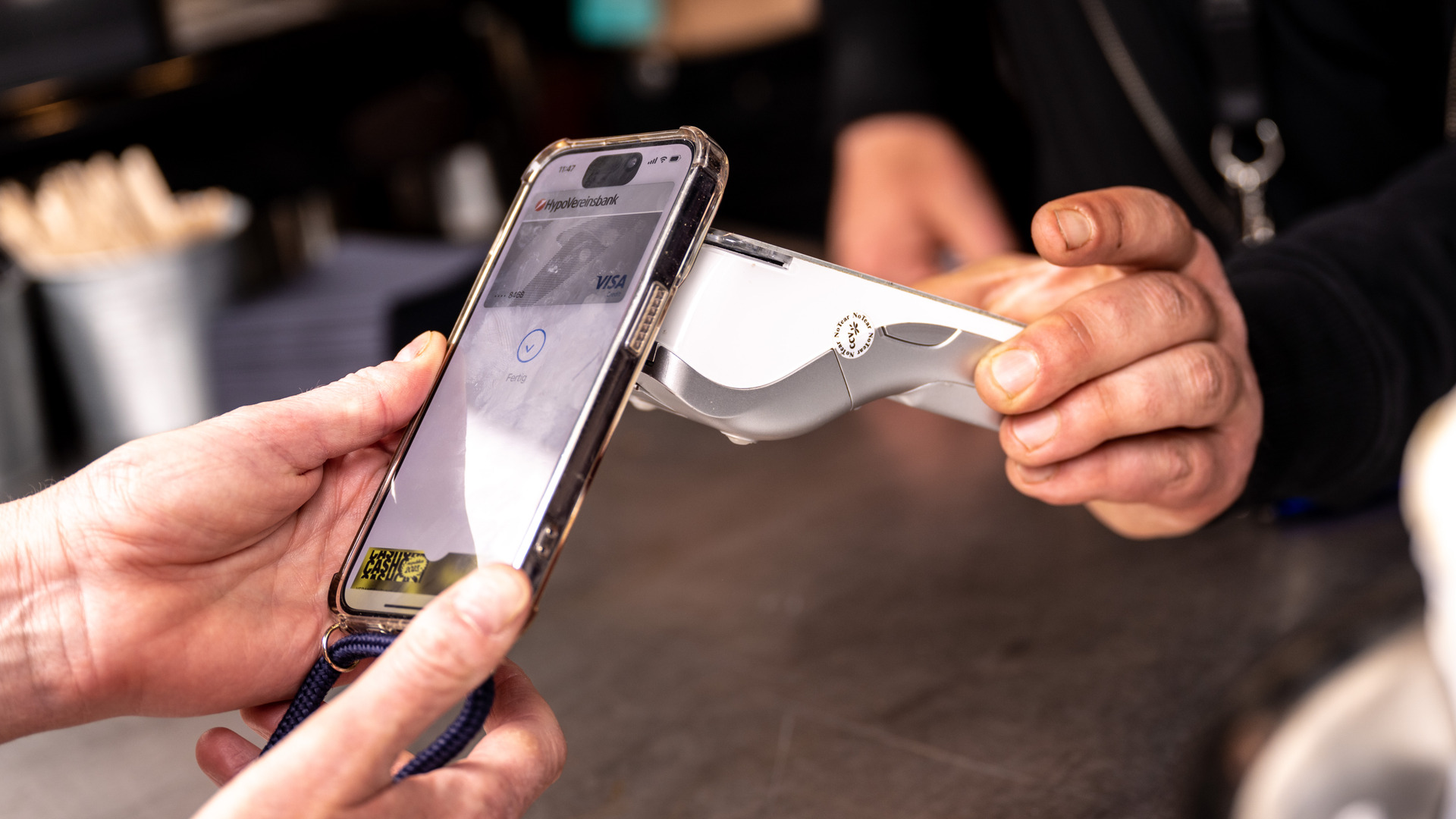
- The attendee opens their confirmation email or WhatsApp pass and presents their digital QR code.
- The check-in scanner reads the code in 300 milliseconds.
- A desktop thermal printer (such as Zebra or Brother direct thermal units) automatically feeds and cuts a crisp, durable cardstock badge in 2.5 seconds.
- The attendee clips on their lanyard and enters the exhibition hall.
Total time at the registration counter: under 5 seconds per attendee.
Head-to-Head Comparison: Operational Metrics
- Check-in Throughput: Pre-printed: 40–60 attendees/hour per desk | On-Site Printing: 300–450 attendees/hour per desk.
- Material Waste: Pre-printed: 15%–25% discarded | On-Site Printing: 0% waste (only print for bodies in the room).
- Last-Minute Delegate Modifications: Pre-printed: Handwritten stickers | On-Site Printing: 3-second instant reprint.
- Hardware Footprint: Pre-printed: 12 large sorting trays | On-Site Printing: 1 compact thermal printer per lane.
"Switching to on-site thermal printing allowed us to slash our registration desks from 10 counters down to 4, while processing 1,800 delegates in half the time."
When Are Pre-Printed Badges Still Justified?
Pre-printing remains viable for ultra-exclusive executive roundtables (under 80 VIPs) where bespoke, gold-embossed leather or acrylic badges are personally hand-delivered to ministerial guests inside the private VIP salon.
Conclusion
For any B2B conference, summit, or expo exceeding 200 delegates, on-site digital badge printing is superior across every metric: speed, cost-efficiency, environmental sustainability, and professional first impressions.