Why Traditional Audience Q&A Breaks Down in Large Halls
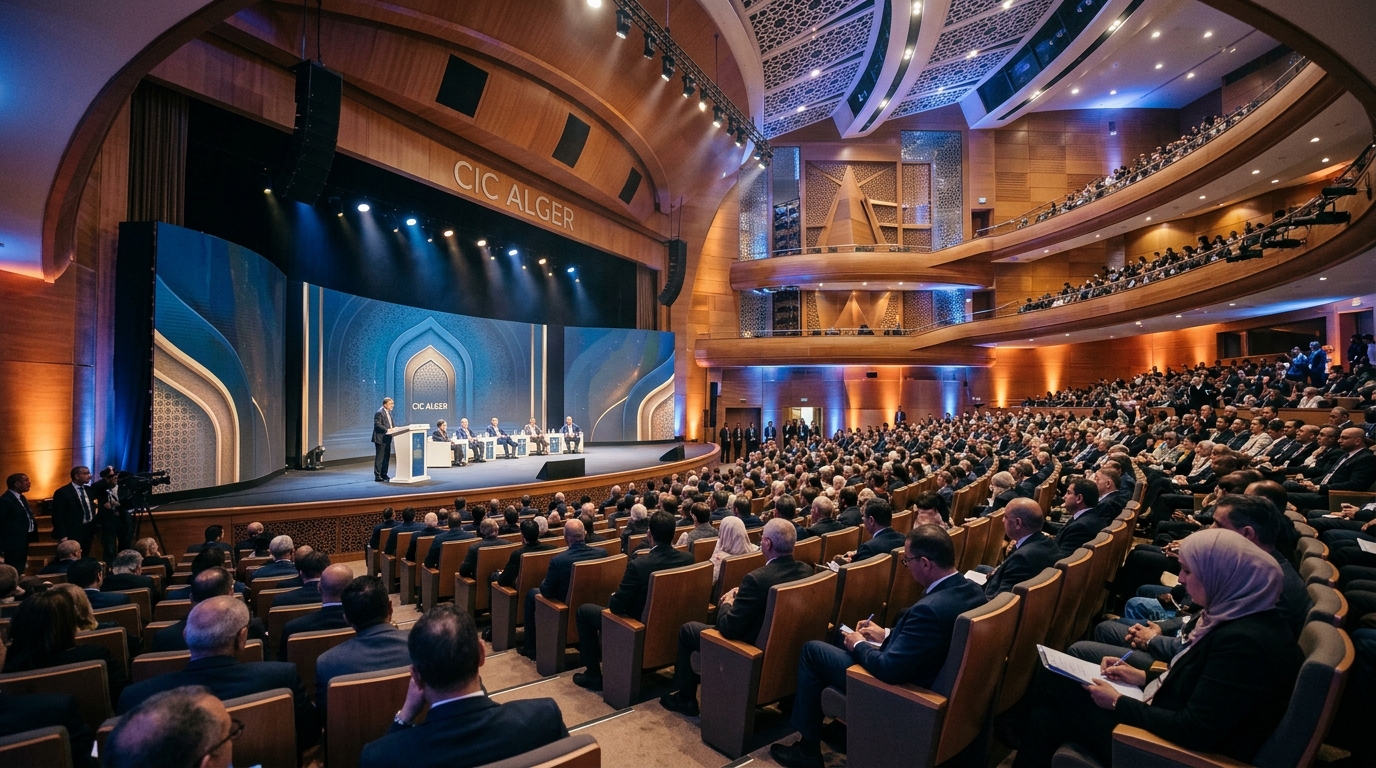
Every seasoned conference attendee has endured the exact same awkward plenary moment: the keynote concludes, the moderator invites questions, and stage runners sprint through a 900-seat auditorium with handheld wireless microphones. Inevitably, the first person handed a mic delivers a four-minute monologue promoting their own company rather than asking a question, while thoughtful executives in the back rows never get heard.
Modern conference engagement software replaces slow microphone runners with streamlined QR-Triggered Live Q&A and Real-Time Polling—giving moderators complete editorial control while capturing high-value audience sentiment data.
Engage Every Seat with Zero App Downloads Required
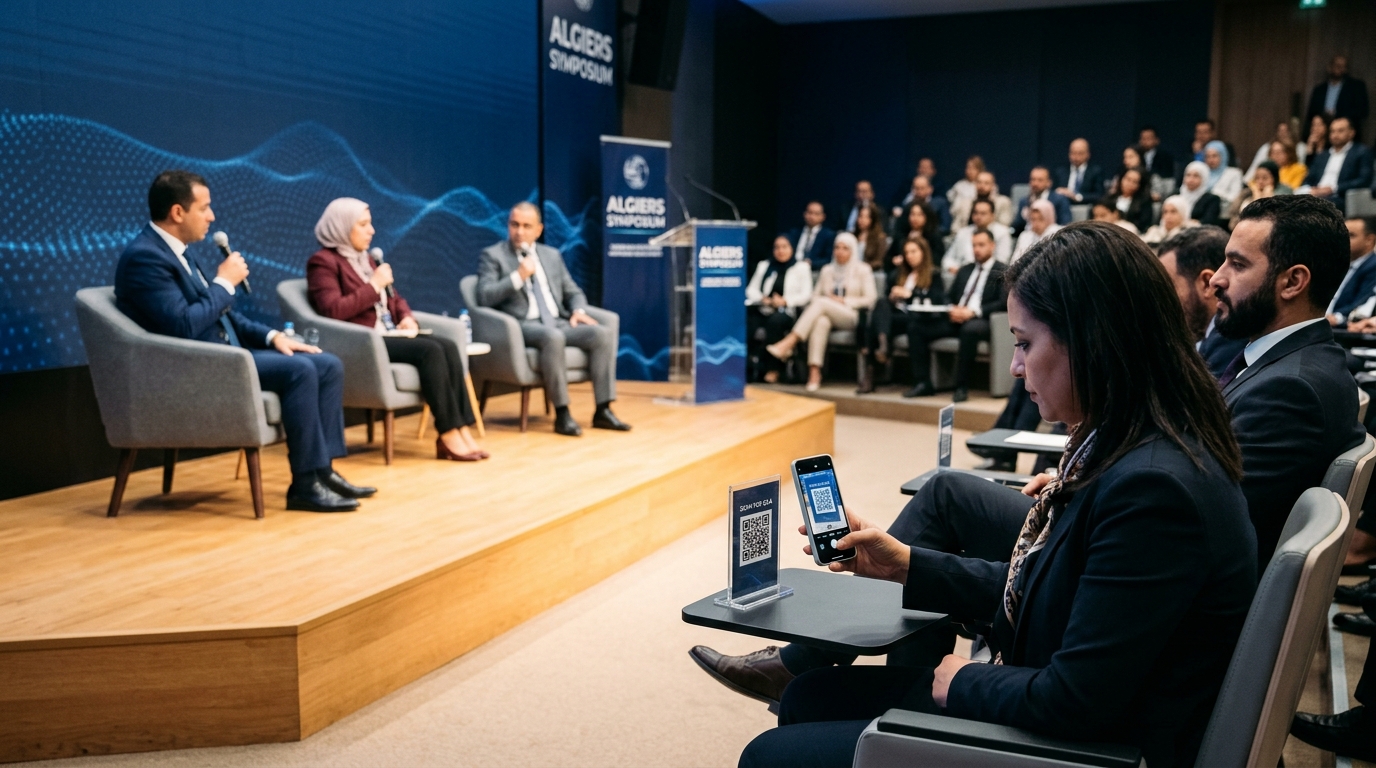
Eventzone generates dedicated session Q&A links and printable QR placards so delegates submit and upvote questions directly from their mobile browser in seconds.
Launch Interactive Q&A1. Frictionless Zero-App Access via QR Placards
Adoption collapses if attendees are forced to download a 90MB native app, create a new password, and verify their email mid-keynote. Browser-based QR entry guarantees maximum participation:
- On-Screen Holding Slides: Display a large, high-contrast QR code on the main LED screen during the final 10 minutes of each presentation and throughout the Q&A segment.
- Seat-Back & Table Placards: For workshop rooms and VIP roundtables, place clean printed QR table tents linking directly to that specific room's live Q&A channel.
- Anonymous vs. Identified Modes: Allow delegates to include their name and company title—giving industry leaders recognition when the moderator reads their question—while optionally supporting anonymous submissions for sensitive regulatory or HR panels.
2. The Moderator Dashboard: Filtering Noise & Surfacing Value
Digital Q&A transforms the session moderator from a traffic cop into a sharp editorial curator:
- Pre-Approval Queue: Every submitted question lands first in a private backstage moderator tablet view—filtering out off-topic remarks, commercial pitches, or duplicate inquiries before they ever reach the stage screen.
- Democratic Upvoting: Attendees see approved questions in real time and tap "Upvote" on the topics they care about most. The moderator instantly knows which three issues matter to 80% of the room.
- Seamless Stage Pacing: Because questions are queued cleanly in advance, the moderator can transition smoothly between speakers with zero dead air waiting for runners to cross the aisle.
"Digital upvoting routinely triples the number of relevant questions answered in a 15-minute Q&A window while completely eliminating self-promotional mic hijacking."
3. Using Live Polls to Energize Afternoon Plenaries
Audience attention naturally dips immediately after lunch. Integrating 2 or 3 crisp multiple-choice live polls resets room energy in under 60 seconds:
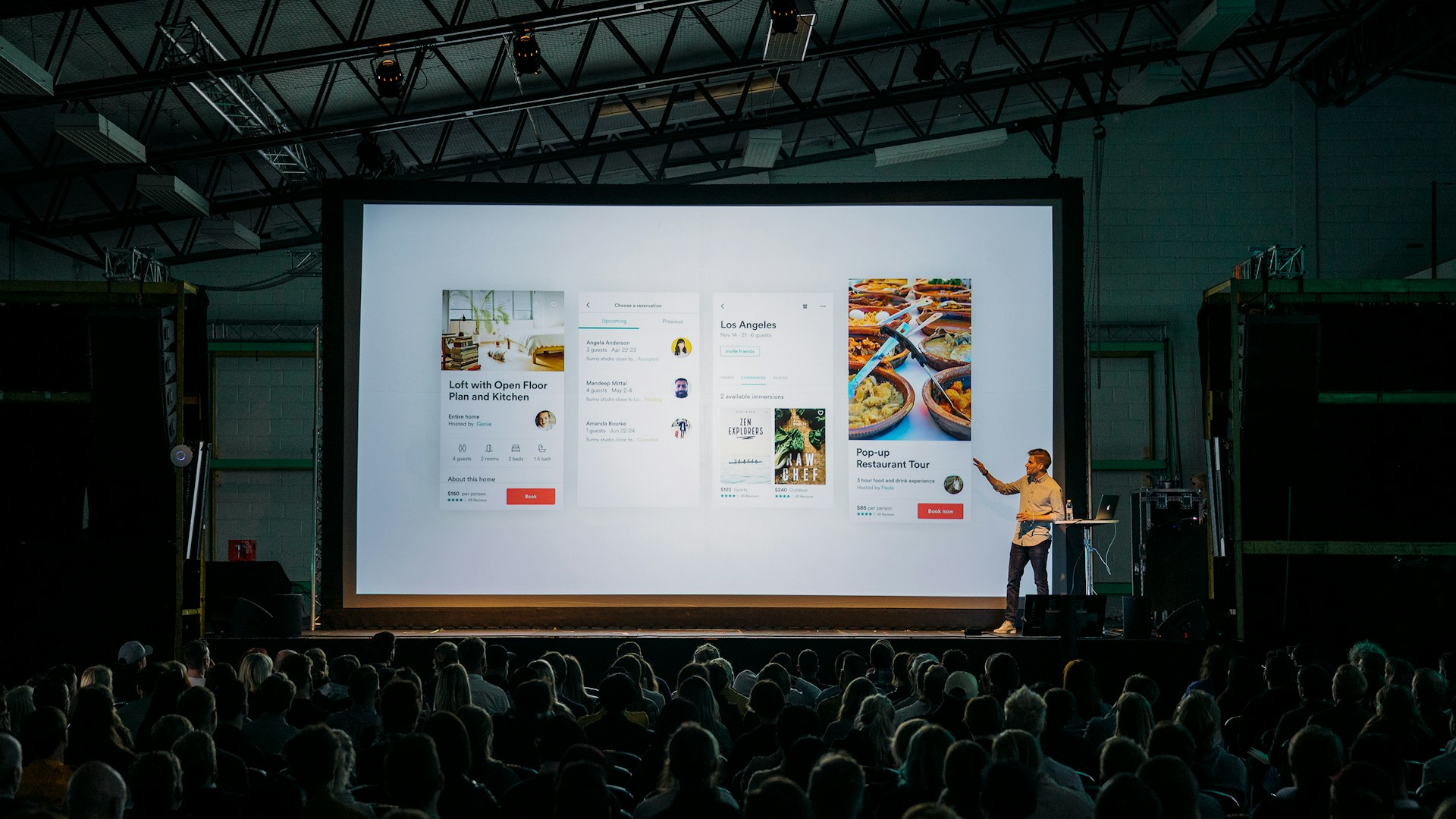
- Opening Icebreakers: Ask a rapid market benchmark question ("What is your primary AI deployment bottleneck in 2026?") and reveal the live animated bar chart on the main screen to kick off a panel debate.
- Panelist Reaction Prompts: Force panelists to react to real-time industry consensus data from the exact executives sitting in front of them, sparking unscripted, memorable insights.
4. Turning Audience Questions Into Post-Event Content
Every question submitted during a summit is a direct signal of market demand:
- Export full Q&A transcripts after the conference to identify unanswered questions, turning them into follow-up blog posts, LinkedIn carousels, or webinar topics.
- Share top-voted session questions with keynote sponsors as anonymized market intelligence proving what enterprise buyers are actively trying to solve.
Conclusion
Interactive stage technology respects both the speaker's time and the audience's intelligence. By pairing zero-download QR entry with moderated Q&A queues and live polling, organizers turn every plenary session into a dynamic, data-rich conversation.